



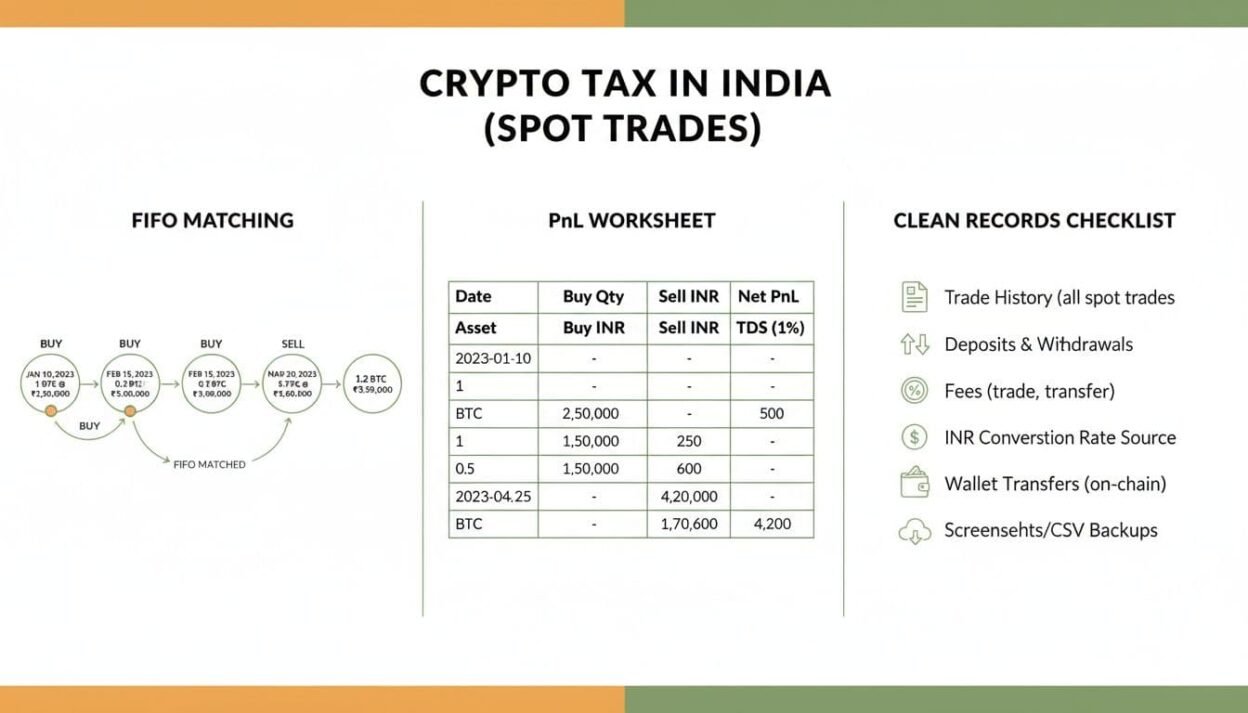

Risk-to-Reward Ratio vs Win Rate in Prop Trading
Compare risk-to-reward ratio and win rate in prop trading, with break-even examples, expectancy, drawdown, position sizing and practical…
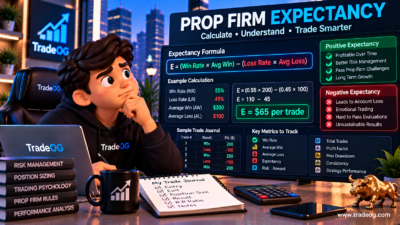
How to Calculate Your Prop Firm Expectancy
Learn how to calculate prop firm trading expectancy using win rate, average win, average loss, R-multiples, trading costs, drawdown and setup…

Prop Firm Trading Journal: What Metrics Should You Track?
Learn which trading journal metrics prop traders should track, including win rate, expectancy, profit factor, drawdown, risk, setup…

Prop Firm Restricted Instruments: Why Some Markets Are Not Allowed
Prop firms can restrict instruments, exchanges, contract sizes and markets depending on their trading program and risk rules. Prop firms do…

Prop Firm Execution Speed: Why Entry Price Can Change
Execution speed, latency, liquidity and market movement can change the final entry price. When a trader clicks Buy or Sell, the market price…

Prop Firm Stop Orders and Slippage During Volatile Markets
Stop orders can experience slippage when markets become highly volatile or liquidity changes rapidly. When markets move quickly, a stop order…

Prop Firm Liquidity Rules: Why Some Trades Get Poor Execution
Learn how liquidity affects prop firm trade execution, including slippage, spread widening, market gaps, news events, order size and…

Prop Firm Challenge Expiration: What Happens When Time Runs Out?
Learn what happens when a prop firm challenge expires, including account closure, resets, retakes, extensions, inactivity rules and why…

Prop Firm Payout Window Explained: Request Dates vs Processing Dates
When a prop firm says a payout is processed within 24 hours or 1–3 business days, traders often assume that this is the same as the date they…

Prop Firm Futures Trading Fees: What Traders Actually Pay
Prop firm futures trading is often advertised around account size, profit targets and drawdown limits, but the actual cost of trading can…